Your lighting setup is measured in degrees, not centimetres
A lighting setup is measured in degrees: how hard a shadow looks depends on the angle of the source. The sun covers 0.53; a flame twenty centimetres away, 4.3.
is what the sun covers
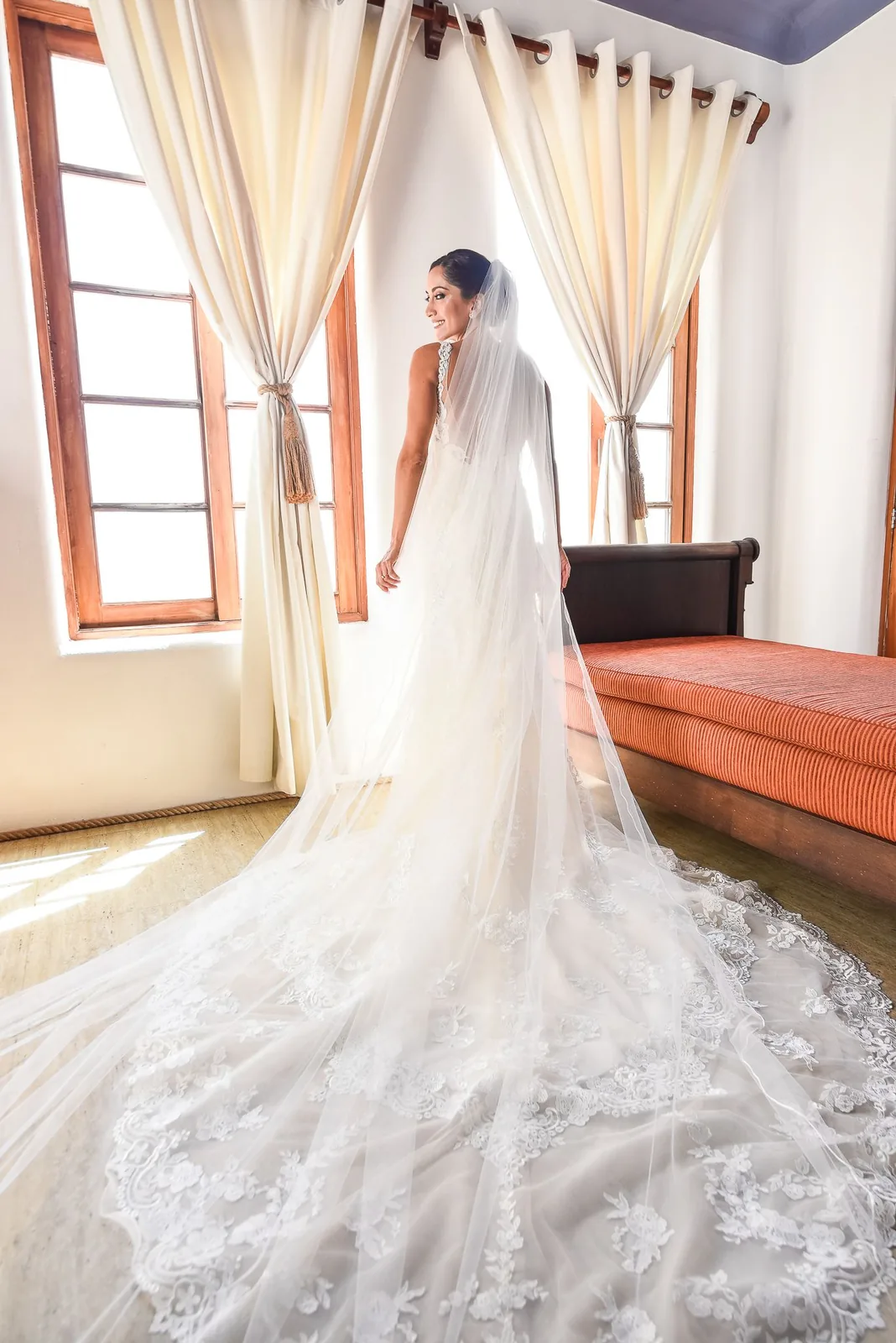
There's a line every course repeats: the bigger the source, the softer the light. It's half true, and the missing half is the one that decides the result. What softens a shadow isn't the size of the gear: it's how much of the field of view that source covers, seen from the subject's skin. And that can be calculated.
The formula is high-school stuff: 2·atan((diameter/2) ÷ distance). The result is degrees, and those degrees are the only number that predicts the edge of the shadow. The sun is the reference nobody argues with: it's 1.4 million kilometres across and 150 million away, so it covers 0.53 degrees. That's why, being the largest object you'll ever light with, it draws the hardest shadows you'll ever see.
How much each source covers, in degrees
Smallest to largest. The right-hand column is the one that matters: under one degree the shadow has a sharp edge, over twenty it softens by itself.
| Source | Size | A | Covers |
|---|---|---|---|
| The sun | 1,392,000 km | 150 million km | 0,53° |
| Bare flash head | 7 cm | 2 m | 2,01° |
| A lighter flame | 1.5 cm | 20 cm | 4,30° |
| 90 cm softbox | 90 cm | 3 m | 17,06° |
| 60 cm softbox | 60 cm | 1.2 m | 28,07° |
| 120 cm octabox | 120 cm | 1.5 m | 43,60° |
| A window | 120 cm | 1 m | 61,93° |
The three consequences that change a shoot
A 60 cm softbox at a metre and a half is softer than a 90 cm one at three metres. 28 degrees against 17. The small one wins on proximity, and that contradicts what gets sold in the shop: the answer wasn't a bigger modifier, it was moving the one you already own closer.
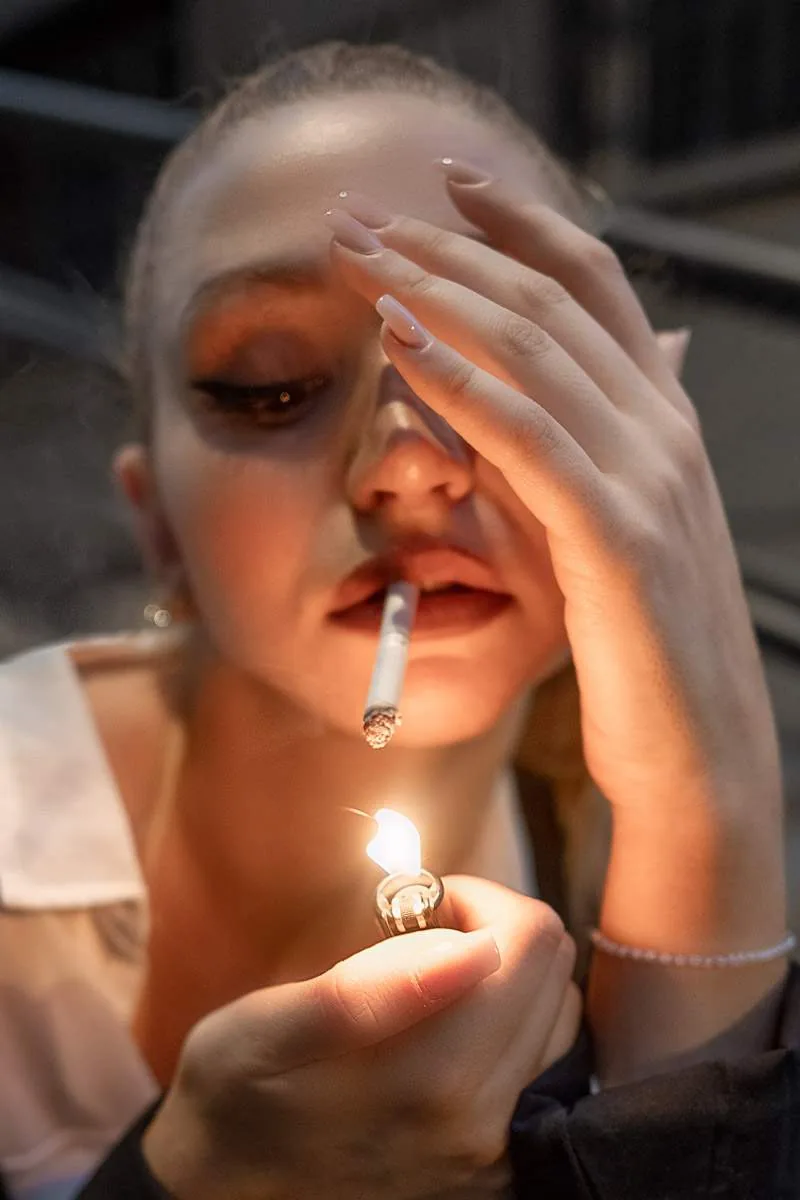
A lighter flame is optically eight times larger than the sun. It's a centimetre and a half across, but twenty centimetres from the face it covers 4.3 degrees. That's why a candlelit portrait has soft skin and no background at all: it's a huge source in angle and a tiny one in power.
And that's exactly why the falloff is brutal. When the source sits twenty centimetres away, moving another twenty divides the light by four: two stops gone with a turn of the head. What you gain in softness you pay in room to move, and that's the real trade in any setup.
How this actually gets used
You don't calculate on set. You run the numbers once for your own gear and learn where the thresholds are: at what distance your octabox stops being soft, and at what distance your window stops wrapping. Two numbers per modifier, and they never change.
The rest is the usual: with studio light you choose the distance, and with natural light the distance is already chosen and the only thing you can move is the subject. How long that natural light lasts once the sun goes is in golden hour and in blue hour.
Frequently asked questions
- What makes a light hard or soft?
- The angle the source covers as seen from the subject, not its size. It's calculated with 2·atan((diameter/2)÷distance). Under one degree the shadow comes out with a sharp edge; over twenty, diffused.
- Why does the sun cast such hard shadows if it's enormous?
- Because it's 150 million kilometres away: from here it covers only 0.53 degrees of field of view. In angular terms it's one of the smallest sources you'll ever work with, and that's why it cuts edges.
- Is a bigger softbox better, or moving the one I have closer?
- Almost always moving it closer. A 60 cm one at 1.2 m covers 28 degrees; a 90 cm one at 3 m, only 17. The small, close one gives the softer light of the two.
- What do you lose by moving the source very close?
- Room to move. Light falls off with the square of the distance: at twenty centimetres, moving another twenty costs two stops. The softer you want the light, the stiller the subject has to be.
If you are planning a shoot of fashion and editorial or product and you want the timing decided by someone who has already run the numbers, write to me: with the dates and the location I will tell you straight away what time to call.
And if you want to see the results, here are the projects y the rest of the journal.
I’ll tell you when the next one is out
Craft guides like this one, with the measured figure inside. No newsletter and no offers: one email when there is a new one, and nothing else.