Which focal length to use for a portrait meant for a vertical reel
Rotating the camera for a vertical reel crops 15.625% of the frame; cropping in edit afterwards crops 62.5% — four times more, without changing the focal length.
vertical than when rotating the camera
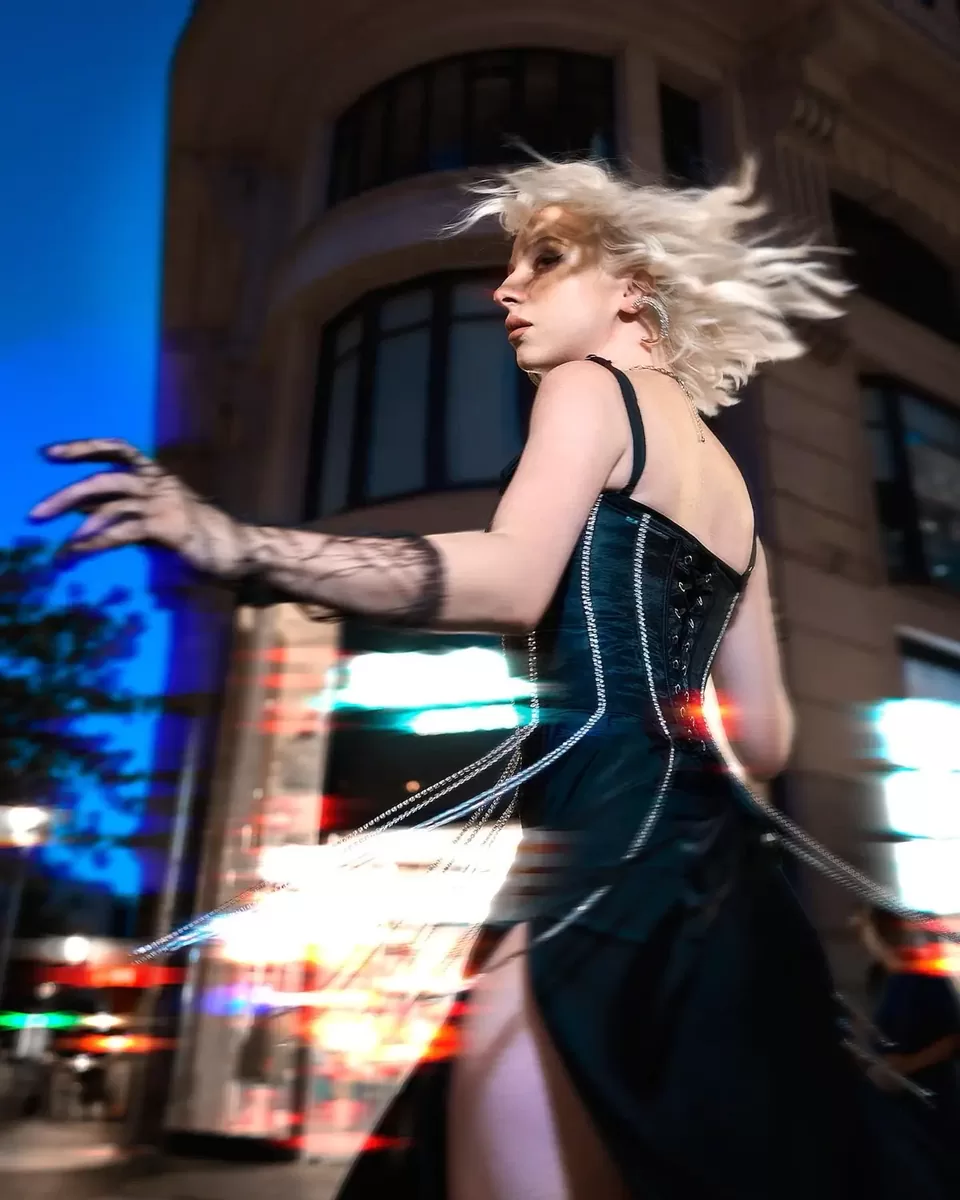
If you're commissioning a portrait and asking which focal length to use for a portrait meant for a vertical reel, the short answer dismantles the question: the focal length changes nothing. What changes 4 times is the crop, depending on how you get to 9:16. It's my own geometric calculation, crossing two already-published pieces: the full-frame sensor from the guide to focal length and distance for portraits and the format from the guide to Instagram reel measurements.
And it doesn't measure anything else. The figure doesn't say which focal length looks best in a reel: it says how much frame is lost depending on the method used to reach vertical, at equal focal length. It holds the same at 35, 50 and 85mm, because it's aspect-ratio geometry, not optics.
Which crops more, rotating the camera or cropping in edit?
A full-frame sensor measures 36×24mm, a 3:2 ratio. A reel needs 9:16. There are two ways to get from one to the other, and they don't crop the same:
| Method | Fixed axis | Crop of the other axis | Result |
|---|---|---|---|
| Rotate the camera to vertical | 36mm becomes the height | 15.625% of the width (24→20.25mm) | Same field of view and distance as the horizontal table |
| Shoot horizontal and crop in edit | 24mm stays as the height | 62.5% of the width (36→13.5mm) | 4 times more crop for the same 9:16 |
What almost nobody accounts for
Rotating the camera keeps the 2.43× distance from the focal-length table. The 36mm axis is still the one that governs — it just becomes the vertical one now. The field of view and the distance for the same facial crop don't change between 35, 50 and 85mm.
Cropping in edit reduces the 36mm axis to 13.5mm, 62.5%. Rotating, the axis that gets cropped is the 24mm one, down to 20.25mm, 15.625%. That's the same figure as above: 4 times more crop by cropping in edit than by rotating the camera.
Neither guide says this on its own. The focal-length table doesn't talk about vertical format; the reel-measurement piece doesn't talk about sensor or focal length. Crossing them is what shows why the focal length is irrelevant to this decision.
What to specify in the brief if the output is a reel
If the portrait is going into a reel, what needs fixing in the brief isn't the focal length — it's the framing method. Asking for it to be shot vertical from the start avoids the 62.5% crop; asking for horizontal and cropping later multiplies it by 4. The rest of the format's technical sheet is in the guide to Instagram reel measurements.
Frequently asked questions
- Which focal length should I use for a portrait meant for a vertical reel?
- Focal length isn't the variable that matters: the crop needed to reach 9:16 depends on the method, not on whether you shoot at 35, 50 or 85mm. Rotating the camera crops 15.625% of the width; cropping in edit crops 62.5%.
- Does the field of view change when you rotate the camera for a reel?
- Not compared with the horizontal table. The field of view and the 2.43× distance from 35 to 85mm in the focal length and distance guide stay the same: the 36mm axis is still the one deciding, it just becomes vertical.
- Why does cropping in edit lose more frame than rotating the camera?
- Because it crops the 36mm axis, the sensor's longer one, down to 13.5mm — 62.5%. Rotating, the axis that gets cropped is the 24mm one, down to 20.25mm: 15.625%. That's 4 times less crop.
- Does this calculation change depending on the focal length, 35, 50 or 85 mm?
- No. It's aspect-ratio geometry: a 3:2 sensor against a 9:16 target. The crop doesn't depend on focal length, only on that ratio — that's why 15.625% and 62.5% hold the same at 35, 50 and 85 mm.
If you are planning a shoot of fashion and editorial or product and you want the timing decided by someone who has already run the numbers, write to me: with the dates and the location I will tell you straight away what time to call.
And if you want to see the results, here are the projects y the rest of the journal.
I’ll tell you when the next one is out
Craft guides like this one, with the measured figure inside. No newsletter and no offers: one email when there is a new one, and nothing else.