Golden hour isn't soft light: the sun stays at 0.53°
During the full 35-43 minutes of golden hour, the sun still measures 0.53° — same as at noon. Position defines the window, not source size.
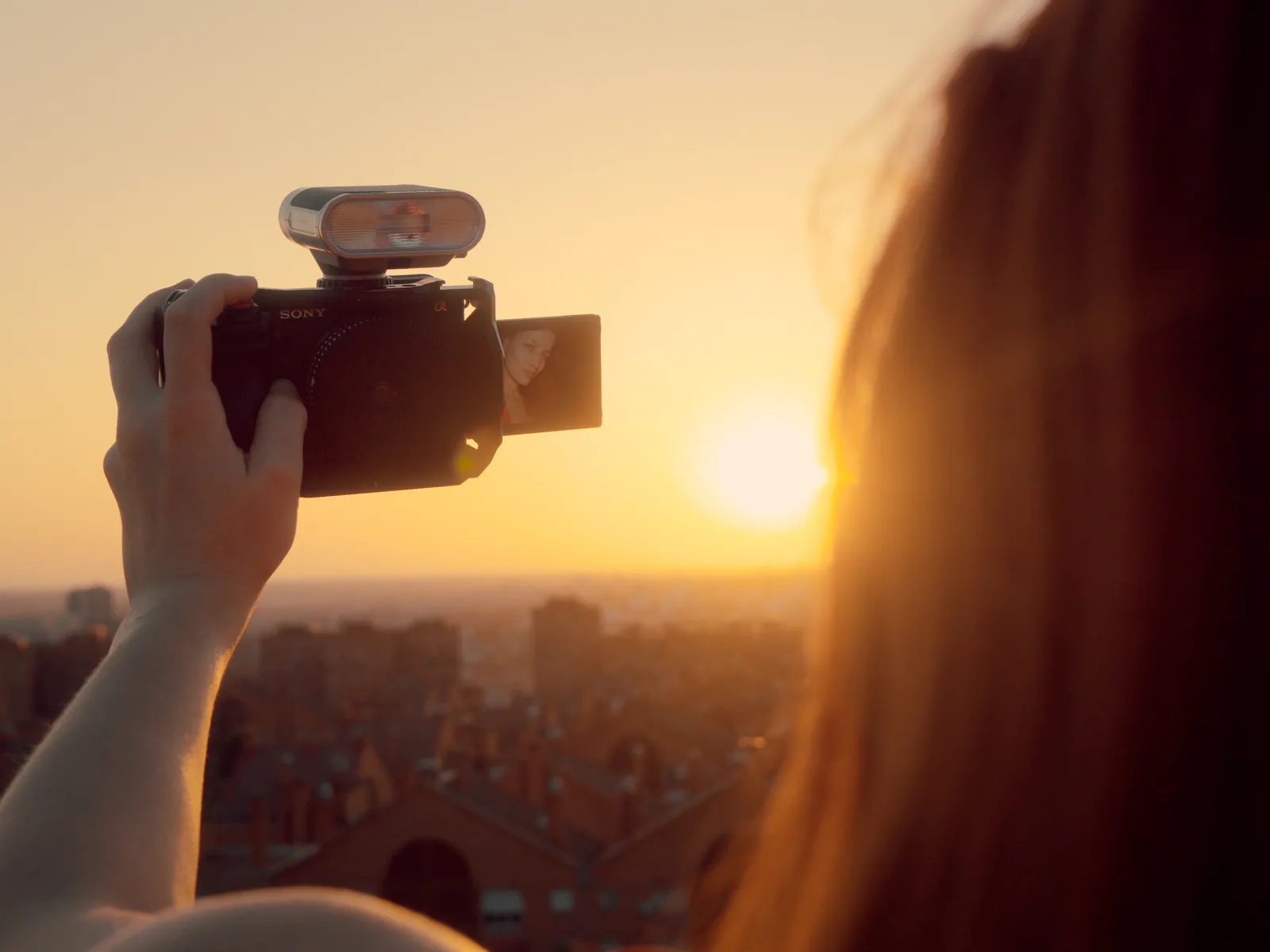
If you're a photographer or videographer who repeats that golden hour gives soft light because the source grows, here's why golden hour isn't soft light: during the full 35-43 minutes of the window, the sun still occupies 0.53° as seen from the subject — the same angular size as at noon — below the 1° threshold at which the shadow edge stays sharp. It's arithmetic on two figures already published in this journal: the duration of golden hour in Mallorca, Ibiza and Madrid y the angle each light source occupies.
And it says nothing more than that. It doesn't claim sunset light is hard or soft in perceptual terms: nobody has measured that, there's no key-to-fill ratio figure in any piece of the archive. Nor does it extend the constancy to the whole year: the 0.53° angle only holds fixed within a single afternoon; on a yearly scale it varies with Earth's orbital eccentricity.
Does the sun change size during golden hour?
A source's angular size depends only on its diameter and the distance it's viewed from, not the time of day. On the scale of an afternoon that distance doesn't change, so the sun measures the same at the start and the end of the window:
| Moment | Sun's altitude | Angular size | Below the 1° threshold? |
|---|---|---|---|
| Noon (outside the window) | variable | 0,53° | Yes |
| Start of golden hour | 6° | 0,53° | Yes |
| Sunset, end of golden hour | 0° | 0,53° | Yes |
| Lighter flame at 20 cm (reference) | — | 4,30° | No — 8 times bigger |
What almost nobody accounts for
Angular size doesn't depend on the time of day, only on the Earth-Sun distance. That distance changes with orbital eccentricity, on a scale of months — not between 6pm and 6:40pm on the same afternoon.
The 1° threshold is the same one that separates the sun from a lighter flame at 20 cm. The flame occupies 4.3°, eight times more: a small, close source gives a softer shadow edge than the entire sun, even though the sun looks huge on the horizon.
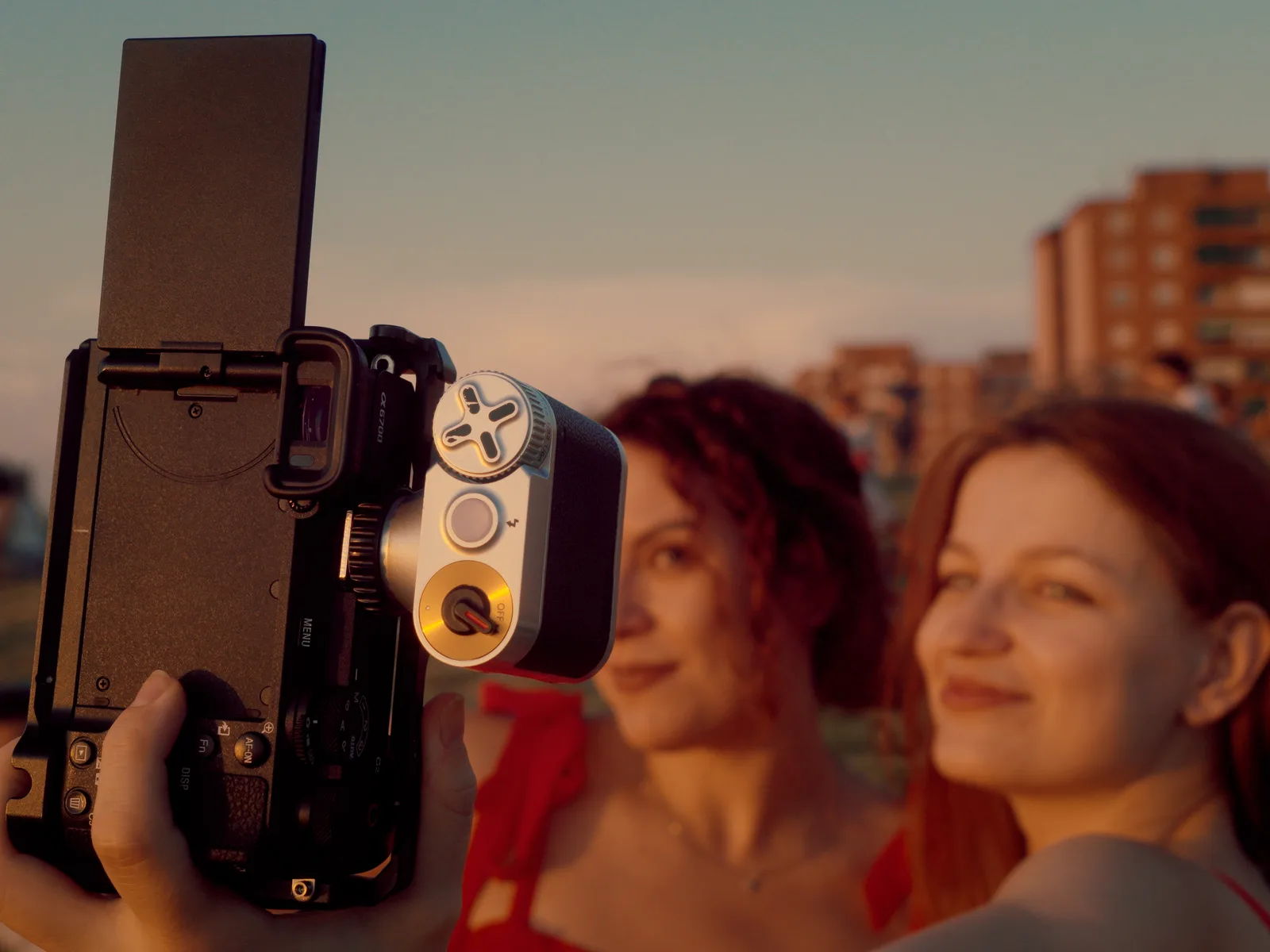
What does change during golden hour is position, not size. The window is defined between 6° and 0° of altitude above the horizon: it's angle-to-horizon geometry, not source-size geometry. Mixing up the two is what photography courses and most of the trade repeat about this myth.
What to do with this if you work with sunset light
Don't explain golden hour light as if the source were growing: the solar disc measures the same at 6pm as at noon. What changes is position — from 6° of altitude to 0° — and with it the color and angle of the shadow on the subject, not its hardness. The exact minutes per month and location are in the guide to golden hour duration in Mallorca, Ibiza and Madrid; the angle of any other source, in the guide to lighting setups in degrees.
Frequently asked questions
- Does golden hour give soft light because the sun gets bigger?
- No. The sun measures 0.53° for the whole window, same as at noon. Angular size depends on the sun's diameter and the Earth-Sun distance, neither of which changes over an afternoon.
- What angular size does a source need to occupy for soft shadows?
- Above 20° the edge turns soft; below 1°, like the entire sun, the edge stays sharp — the threshold published in the guide to lighting setups in degrees.
- So what does change during golden hour?
- The sun's position, between 6° and 0° of altitude above the horizon, for 35-43 minutes depending on month and location — not the source's size. The exact minutes are in the golden hour duration guide.
- Why is sunset light so often described as soft?
- Still unresolved here: the archive doesn't measure the key-to-fill ratio at that hour, so there's no own figure to explain the perception. The only thing this piece disproves is the source-size cause.
If you are planning a shoot of fashion and editorial or product and you want the timing decided by someone who has already run the numbers, write to me: with the dates and the location I will tell you straight away what time to call.
And if you want to see the results, here are the projects y the rest of the journal.
I’ll tell you when the next one is out
Craft guides like this one, with the measured figure inside. No newsletter and no offers: one email when there is a new one, and nothing else.